Tropical Conservation & Development Program
UF Center for Latin American Studies
The Tropical Conservation and Development Program (TCD) will hold its Annual Fall Orientation/Gathering virtually again this year. We welcome all our UF faculty, continuing and new UF students, and alumni to join us! Friday, September 10, 2021 @ 1 to 4 pm RSVP here by Sept. 5th*so we can pre-organize break out groups for animated discussions
Details
We are so excited to announce the new TCD student group officers for the 2021-2022 academic year: President- Susana Ruiz Diaz VP- Vanessa Luna Celio Treasurer- Alejandro Sanchez MoralesSecretary- Viviana Rojas Bonzi Communications- Jennifer Johnson Tropilunch Coordinators- Medha Prakash & AJ Hart Regional representatives: Asia- Hermudandato; Africa- Metolo Foyet; Latin America- Omar Hernandez If you
Details
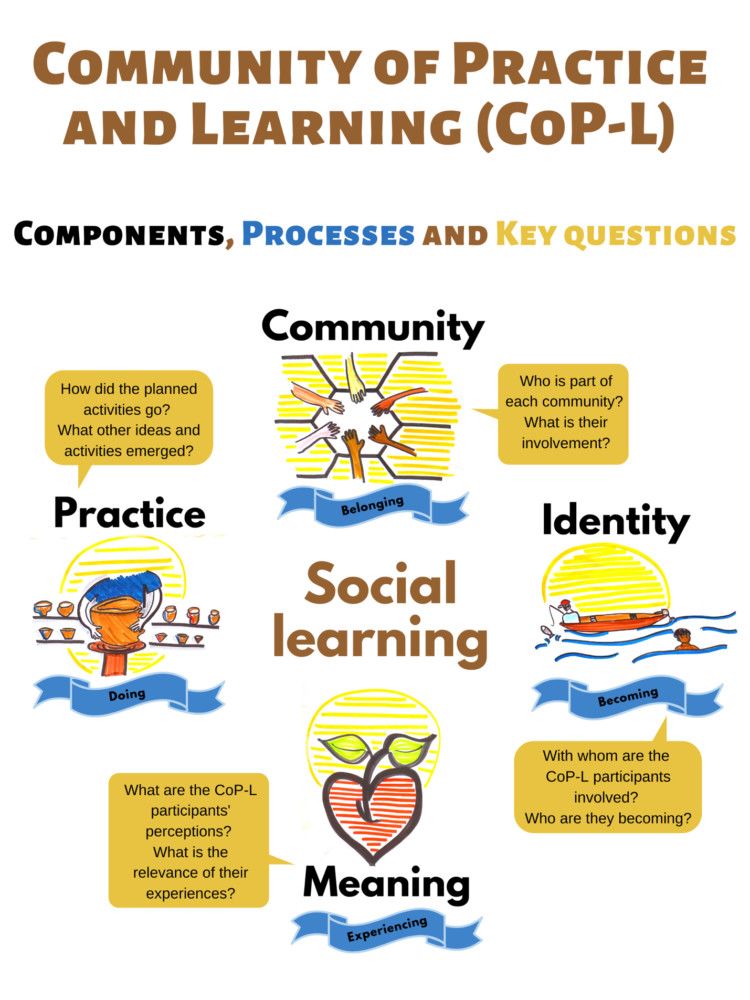
This week, TCD hosts a virtual workshop across 3 days that brings together NGO, grassroot, academic and government partners from the Governance and Infrastructure in the Amazon (GIA) project. GIA established a Community of Practice and Learning over the last 2 years with partners from 4 focal mosaics in Bolivia, Brazil, Colombia and Peru. The workshop
Details
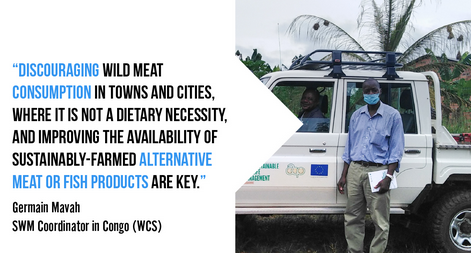
Germain Mavah has long been interested in the inter-relationships between wildlife, protected areas, rural people livelihoods, and natural resource governance in the Congo. Working with Dr. Brian Child from UF’s Geography Dept. and the Center for African Studies, Germain received his PhD degree in Interdisciplinary Ecology (SNRE) and a TCD graduate certificate in 2015. His dissertation examined
Details
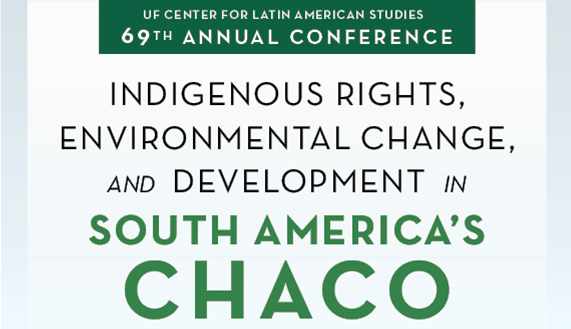
The two-day event brings frontline actors and academics to roundtable discussions and presentations on April 15-16, 2021 The UF Center for Latin American Studies will host the 69th Annual Conference, a virtual two-day program titled “Indigenous Rights, Environmental Change, and Development in South America’s Chaco,” on April 15-16, 2021. The conference will bring together frontline
Details
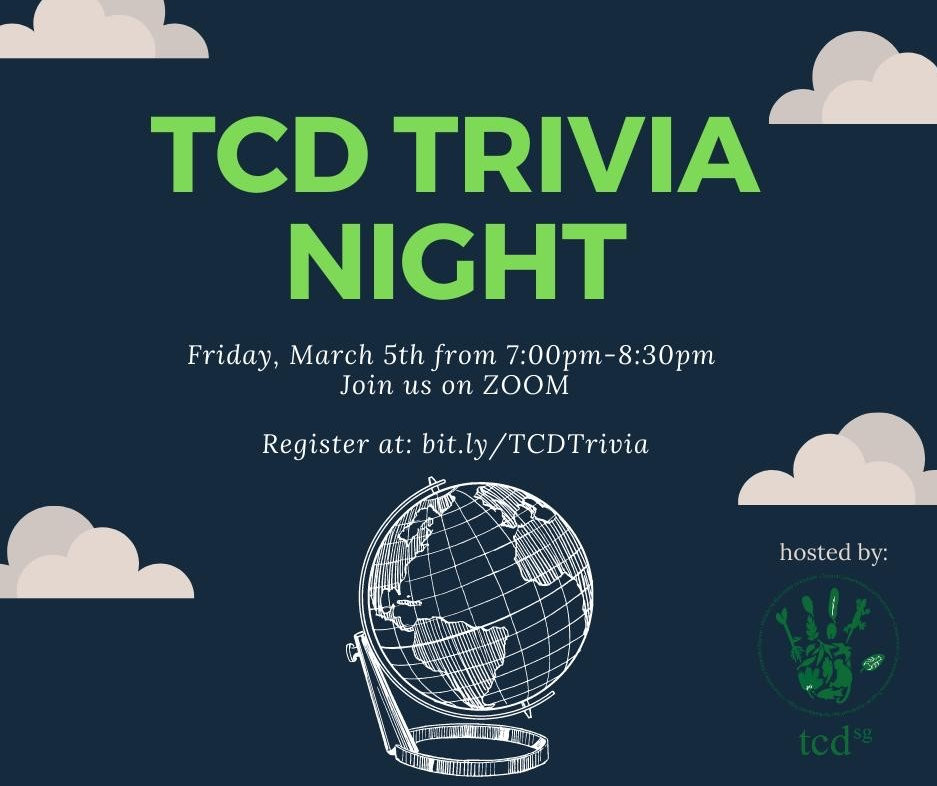
Join the TCD Student Group for a Tropical Trivia night! Reconnect with the TCD community while having some fun. Thursday, March 5th @ 7 – 8:30 pmA Zoom link and password will be sent to those registered prior to the event Register HERE